Blog Details
Home > Blog> Blog Details

Successful Surgeries
Doctors
Happy Patients
If you got any questions, please do not hesitate to send us a message. We reply within 24 hours.
Laser Scar Removal: What Works and What Doesn’t
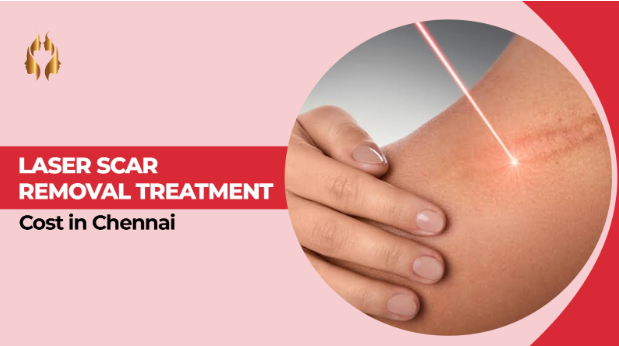
Laser treatment on scars, whether it is acne or a surgical scar, has gained popularity. However, when thinking about laser scar removal, one should know what these procedures can and cannot accomplish. We shall decompose the mechanism of action of laser scar removal - and its limitations.
What Lasers Will Do to Scars: The latest laser treatment can be extremely helpful in the way most scars look. There are various scar issues that are targeted using different types of lasers (e.g. fractional CO2 lasers, erbium lasers, and pulsed dye lasers). They can, for example:
Flatten or Raise Textures: Lasers used to flatten indented or raised scars stimulates new collagen making the scar tissue flatter and smoother. An example of this is the use of fractional lasers which causes the skin to remodel and cure pitted areas.
Lighten Dark Spots: Lasers treat fresh scars to shrink the redness of the scars (Lighten Redness and Dark Spots, 2011) and old scars to make them darker (Lighten Dark Pigmentation, n.d.). This assists in blending scars with other skin.
All in all, laser scar removal is effective in reducing the appearance of a scar, namely, by matching its hue with that of normal skin and by smoothing uneven surfaces. A series of treatments often significantly improves the lives of many people, but they need to be patient (that is, it might take several sessions in several months).
What Lasers Cannot do: Lasers are a great device, but they are not magic erasers of the scars. Some of the things to remember about their limits are:
Won’t Erase a Scar Completely: It is unfortunate that a scar cannot be erased by any laser. The scar will not disappear either, however, it will have to look more like your natural skin color.One should have practical hopes - hope to improve, not to be perfect.
Minor Response on Some Scars: Keloid scars, thick keloid scars or big scars do not react well when lasers are used on their own. Keloids (scars that grow out of control) can require steroids injections or surgery on top of the lasers. A laser may assist a keloid in either color or itchiness, but will not totally flatten it.
Outcomes Are Different and Patience Is Key: The outcome can be variable and the results can be different depending on the scar and individual. Older scars are not responsive as compared to newer ones. Dark-skinned people should be mindful of the laser settings in order to prevent pigmentation side effects. And no matter what the skin type, not a single session is going to remove a scar, the best results are seen when an individual goes through several laser sessions in several months.
To conclude, laser scar removal is an effective method of decreasing the appearance of scars and enhancing the skin texture. It is effective on most of the common scars - acne blemishes can be ironed, red surgical scars can be whitened, tight scars can be made softer. Nonetheless, lasers are not magic: lasers would not be able to eliminate the scar totally and some scars (such as keloid persistent) might require further treatments. The most appropriate solution would be to refer to a specialist in skin who is qualified and who will prescribe a reasonable treatment regimen. The laser treatments can also be put to use to provide the scarred skin with a smoother and more confident look with the right expectations and a small amount of patience.
Copyright reserved @ 2023 Raj Cosmetic & Plastic Surgery Centre