Blog Details
Home > Blog> Blog Details

Successful Surgeries
Doctors
Happy Patients
If you got any questions, please do not hesitate to send us a message. We reply within 24 hours.
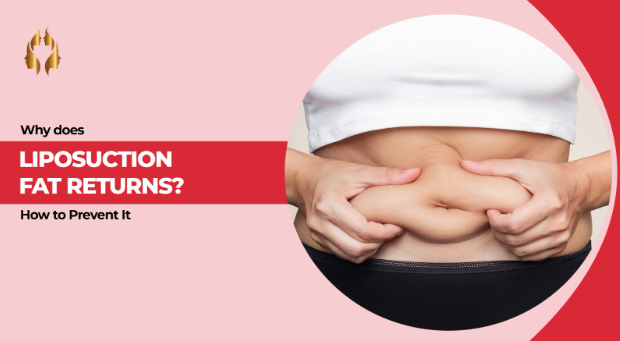
Why Does Liposuction Fat Returns? How to Prevent It
Liposuction involves the removal of fat cells in the parts where it is applied permanently giving it a slimmer shape. It is not, however, a guarantee that you will not gain weight in future. When you take in excess calories than what your body needs to use through surgery, the existing fat cells can get larger and even new fat cells can be created. This is in practice to say that an individual may find fat to be piled up in areas that are not treated or that some fullness may be restored in treated regions in case one gains weight.
How Liposuction Works
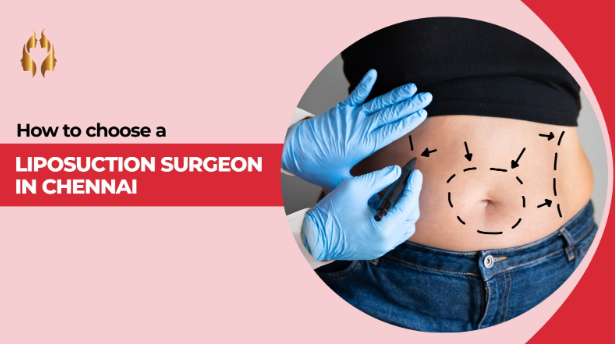
In liposuction surgery, a surgeon employs a suction machine to remove fat in certain body parts such as the abdomen, thighs or arms. Once the fat cells are taken off, they are gone permanently. This causes instant changes in contours - you can see a thinner profile in the area where the fat was removed by suction. Nevertheless, liposuction is not a weight-loss process but a body-contouring one. Any fat cells that were not burnt off stay in your body. When you begin to overeat afterwards, then those cells may increase in size. That is, liposuction can make your body thin, however, it does not make any difference in the number of fats that your body would acquire unless you are careful about what you are eating and the kind of lifestyle you live.
Why Fat May Return
Fat cells are predetermined on our bodies. Liposuction causes cell count to decrease in the specific parts, yet when one becomes overweight, the available cells in any part of the body can increase in size. Gaining a little weight will cause all your fat cells to swell a little, and this will eliminate some of the sculpted appearance you have made. Great gain of weight (greater than approximately 10 percent of body weight) can even provoke the development of new fat cells. These new cells tend to be uniformly distributed even in fat-storing regions, and occasionally more so in untreated regions.
When patients have been liposucted and then stay on a healthy weight, they tend to retain the new appearance. However, the weight-gainers in great amounts can find the fat being noticeable, particularly where the surgeons did not work. Even at the time, since some fat was permanently lost they tend to appear thinner than they would without liposuction, but not as skinny as immediately after the operation.
Preventing Fat Regain
The healthy lifestyle is the most appropriate way to maintain liposuction results. Key strategies include:
Balanced Diet: Consume healthy meals with low-fat protein sources, vegetables, whole grains, and fatty foods. Eat sparing amounts and save unnecessary calories such that the fat cells left will not swell. Most surgeons recommend the use of a small decrease in calories intake after surgery to fit your new body image.
Regular Exercise: The goal is a combination of cardiovascular (walking, jogging, swimming) and strength training. Workouts consume a lot of calories and develop the body muscles and this increases metabolism. Even light exercise (such as 150 minutes of vigorous exercise per week) prevents weight gain.
Hydration and Food Schedule: Consume a lot of water on a daily basis that helps in the metabolism. Others advise that instead of going without meals, one should have small frequent meals. This is able to maintain blood sugar levels and avoid excessive eating in the future.
Take Post-Op Recommendations: Wear any compression garments as recommended to curtail swelling. You should attend any follow-up visits and resume normal activities progressively following the guide of your doctor. These are the steps that can be taken to guarantee a healthy recovery and therefore it will be easier to resume a healthy routine.
Healthy habits: non-smoker, some alcohol. The two are capable of disrupting the healing process and complicating weight loss. Long-term weight control is also assisted by good sleep and stress management.
It is commonly the responsibility of the patient to maintain weight following liposuction. Liposuction is a kind of motivation to many patients: they change their diet and exercise to maintain their new body. It can be very useful to set realistic goals, measure your weight and maybe seek the consultation of a dietitian.
Conclusion
To conclude, liposuction will destroy the fat cells in the body permanently in the areas it is applied, but it will not prevent weight gain in other parts of the body. In order to avoid fat relapse, pay attention to a healthy lifestyle and stable weight after surgery. Take all the postoperative instructions of your surgeon, eat healthy, and exercise. Most individuals experience the benefits of their new forms of contour with these habits all through their lives. With the help of proper maintenance, your slim figure after liposuction would be permanent and not a temporary solution.
Copyright reserved @ 2023 Raj Cosmetic & Plastic Surgery Centre