Blog Details
Home > Blog> Blog Details

Successful Surgeries
Doctors
Happy Patients
If you got any questions, please do not hesitate to send us a message. We reply within 24 hours.
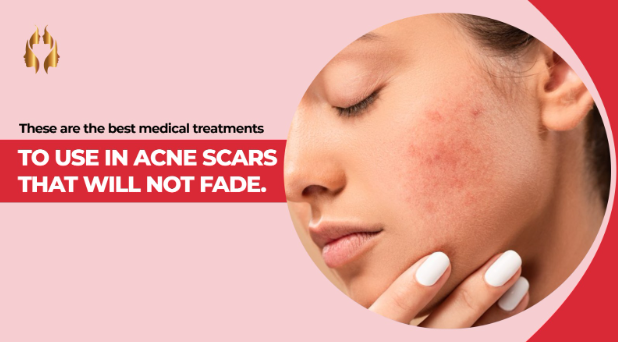
These are the best medical treatments to use in acne scars that will not fade
Both raised and indented acne scars may be permanent reminders of previous eruptions. Luckily, the current dermatology provides some proper treatment to make them look better. All types of scars do not respond to one treatment and as such, a combination of treatments is usually done to achieve the best results. The primary step is to know what type of scar you have. The skin fails to produce collagen in adequate amounts during healing thus forming indented scars, whereas it produces too much collagen thus forming raised scars. The type of therapy can be identified to aid in the selection of appropriate treatment methods.
Laser Resurfacing
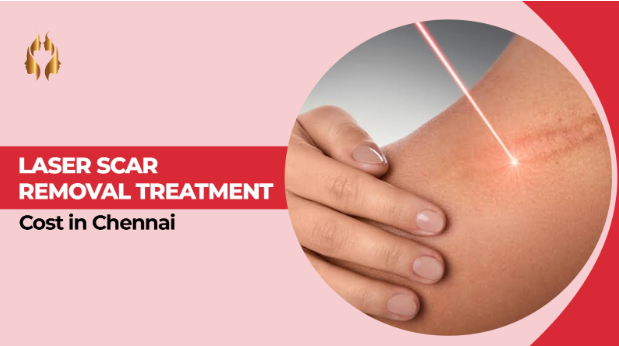
Laser therapies are considered to be the most successful cases with acne scars. Ablative lasers exfoliate affected layers of skin and induce collagen formation, so that they are effective with deeper scars. They are known to be highly effective in skin texture enhancement including having downtime like redness and peeling. On the other hand, non-ablative lasers operate below the skin without destroying the surface. They are appropriate in mild and moderate scars and it takes several sessions with little recovery period.
RF Therapy and Microneedling.
Microneedling is a procedure that entails the production of small controlled cuts on the skin to induce collagen synthesis. It is an effective roller and shallow scar roller. It becomes deeper-layered when applied with radiofrequency energy and improves skin tightening and texture. The treatment normally takes several sessions although the downtime is minimal to bear and the effects are realized over time.
Chemical Peels
The chemical peels are helpful in that they exfoliate the upper layers of the diseased skin and allow new skin to develop. Mild peels can be enhanced through medium-depth peels. Specialized technique involves deep scars which are stimulated by the application of stronger acid into them. Although peels work well, it is important to take care of them with proper aftercare and protection against the sun to prevent any complications.
Fillers and Subcision
The dermal fillers have an immediate effect of enhancing the looks of the inset scars by raising them to the level of the surrounding skin. The results are temporary, but the improvement is seen instantly. Subcision is simple and involves the cutting of the fibrous bands pulling the skin downwards with the aid of a needle. This aids in unleashing the scar and enhances its harshness. The addition of fillers to subcision can be more effective in the long term.
Other Treatment Options
Other interventions are minor surgical procedures on deep scars, steroid injections on raised scars and light-based interventions to decrease redness and uneven texture. These procedures are usually applied together with other interventions to record improved results.
Combination Approach and Expert Direction.
The dermatologists tend to prescribe the combination of the treatments to work on both the depth and surface texture. Every plan is customized in accordance with skin type, severity of scars, and personal objectives. The possibility of talking to a professional who has experience guarantees a safe and effective treatment plan.
Conclusion
The acne scars are obstinate and not unattainable to treat. A lot can be done with the help of the right mix of modern treatment methods and professional advice. Although it is not always possible to fully remove them, these treatments can render scars much less conspicuous, enabling you to have a healthier and smoother look of the skin.
Copyright reserved @ 2023 Raj Cosmetic & Plastic Surgery Centre