Blog Details
Home > Blog> Blog Details

Successful Surgeries
Doctors
Happy Patients
If you got any questions, please do not hesitate to send us a message. We reply within 24 hours.
The Lipoma and the method of treatment
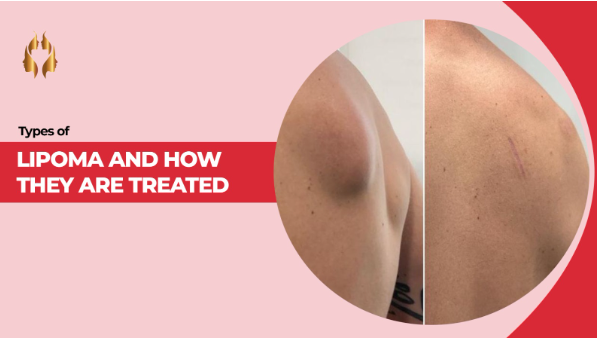
Lipoma are benign soft-tissue growths that are encountered by people the most. They do not cause cancer, but are merely groups of fat cells that are situated under the skin to create a lump. These lumps may occur in any part of the body although they are more prevalent along the neck, shoulders, arms, torso, and thigh areas. Lipomas are normally painless and identified accidentally. Nonetheless, when they become large, compress neighboring nerves or are aesthetically problematic, they may need treatment.
Lipoma Learning: What Are Lipomas?
A lipoma refers to the slow growing lump of fat cells between the skin and the underlying muscle. They tend to be soft, mobile and soft pressure with no harm. The majority of physicians do not prescribe treatment unless the lipoma:
Causes discomfort or pain Is growing rapidly Disrupts locomotion or physiological activity. Influenced self-image or self-esteem.
Lipomas are either solitary lumps or multiple growths. In uncommon instances, individuals are predisposed to a predisposition to establishing a number of lipomas, an ailment referred to as familial multiple lipomatosis. When it comes to treating several lipomas, it may be a more complicated task because a physician needs to take into account the general dimensions, location, and the total impact on the health and mobility of the patient.
Types of Lipomas
Although any lipoma is made of fatty tissue, they can be classified into different types depending on location and behavior:
Simple (Subcutaneous) Lipoma
The most widespread one, soft, and situated just beneath the skin. They are generally painless and slow growing.
Deep Intramuscular Lipoma
These lipomas are below the muscle tissues and are harder. The bigger ones can be a hindrance or uncomfortable.
Multiple Lipomas
There are those people who form multiple lipomas in various parts of their bodies and this may be part of genetic disorders.
Atypical Lipomas
Uncommon, they are a bit harder and can be subject to biopsy in order to exclude other growths. They tend to develop slower, though requiring monitoring.
Treatment Options
There are many ways of managing lipomas in India depending on the size, symptoms and preferences of the patient.
Observation: Lipomas of a cosmetic issue that is small, painless, and not raised can merely be observed as time goes by. Unless changes do take place there is no intervention that is required.
Surgical Excision: This is the most conclusive technique that requires the use of a small incision to excise the lipoma and the capsule. This is typically performed by day-care surgery under local anesthesia. Complete excision also leads to low probability of recurrence.
Liposuction: This is done through a slender tube known as a cannula and the fatty tissue is sucked out with the help of a small opening. Although it is less invasive and it is also related with the least scarring, chances of recurrence are a little higher because the capsule might not be completely removed.
Injections of steroids: Corticosteroids can be injected into small lipomas to make them shrink. Several sessions might be necessary and full elimination is not assured.
Laser or Cryotherapy: High technology clinics have laser-aided removal or freeze procedures on the choice of lipomas. These procedures are meant to reduce scarring and recovery period but they are not applicable in all forms of lipoma.
Recovery and Risks
The lipoma treatment is usually fast in recovery. The majority of the patients are able to live normal lives and yet may recuperate in a couple of days but may take up to one to three weeks. The scar is usually not huge but is contingent on the surgery method and site. Infection, bleeding, nerve damage, and possible recurrence are some of the dangers and hence the selection of a skilled surgeon and adhering to the instructions on post-surgery care is important.
Copyright reserved @ 2023 Raj Cosmetic & Plastic Surgery Centre